
2026 Plenary Speakers

Ole Andreassen, Ph.D.
Ole Andreassen, Ph.D. is Professor of Psychiatry at the University of Oslo and Director of the Norwegian Centre for Precision Psychiatry. Dr. Andreassen holds a PhD in psychopharmacology and completed postdoctoral training in molecular neuroscience at Massachusetts General Hospital. He is a practicing psychiatrist at Oslo University Hospital. Leveraging the unique "Nordic advantages" of population-scale data, his research integrates genomics with clinical, cognitive, and brain imaging phenotypes to uncover the etiology of brain disorders and develop multimodal prediction tools. He chairs the PGC Bipolar Disorder Working Group, serves on the PGC Executive Committee, and is a lead investigator in the ENIGMA consortium. He currently coordinates several large-scale European and Nordic health data projects focused on clinical implementation.
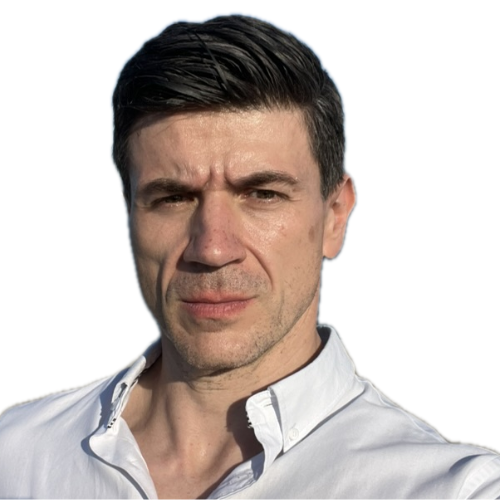
Manuel Corpas
Dr Manuel Corpas is an internationally recognised genomicist and health data scientist working to make precision medicine equitable for underserved and underrepresented populations. He is Senior Lecturer in Genomics at the University of Westminster. His research bridges population genomics, pharmacogenomics, and biobanking. He has led major diversity-focused sequencing efforts, including the Peruvian Genome Project, and has helped set global standards for equity, diversity and inclusion through the Global Alliance for Genomics and Health (GA4GH). As President of the organising committee of the Spanish Congress of Genomic Medicine, he leads the largest Spanish-speaking platform for genomic health equity.
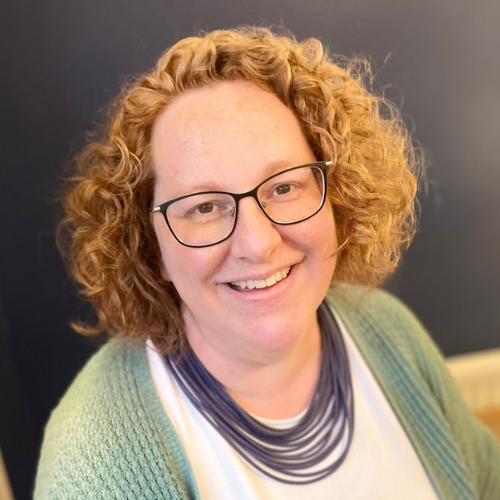
Sue Fletcher-Watson
Sue Fletcher-Watson holds a Personal Chair in Developmental Psychology at the University of Edinburgh. She is interested in how children grow and learn, with a particular focus on development and neurodiversity. Her work draws on rigorous methods from psychology and applies these to questions with clinical, educational and societal impact. She strives to achieve meaningful partnerships with community representatives and to support neurodivergent leadership in research. She is an advocate for open science and good citizenship in academia. She is currently privileged to be a member of both the Salvesen Mindroom Research Centre and the Centre for Biomedicine Self and Society and she serves as Dean of Equity Inclusion and Community in the College of Medicine and Veterinary Medicine
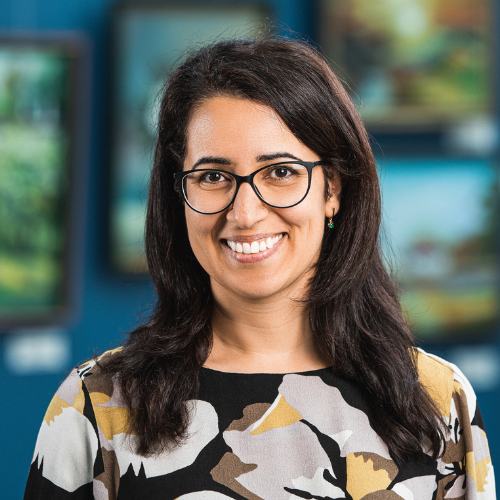
Lili Milani, Ph.D.
Lili Milani is Head of the Estonian Biobank and Professor of Pharmacogenetics at the University of Tartu. She is part of the core team behind the design and implementation of the national strategy for personalized medicine in Estonia in close collaboration with the Ministry of Social Affairs, the Institute for Health Development, and the Estonian Health Insurance Fund. The expectations for personalized medicine are very high in Estonia, and several implementation projects focusing on genomics for disease prevention have been launched in the national healthcare system during the last few years. Lili Milani earned her PhD degree in molecular medicine from Uppsala University, Sweden in 2009. Her main areas of research have been epigenetics, genomics of common diseases and pharmacogenomics. She is actively involved in research projects focusing on the genetics of mental health and cardiovascular co-morbidities, and the role of rare and common genetic variants in interindividual variability in drug response.
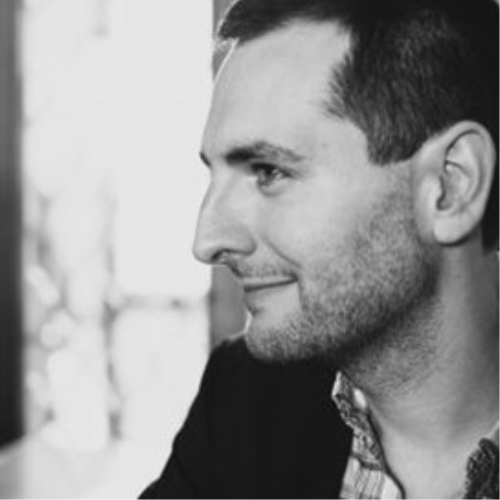
Elliot Tucker-Drob, Ph.D.
Elliot Tucker-Drob is Professor of Psychology and Psychiatry at the University of Texas at Austin. His work clarifies processes through which genetic and experiential processes combine and interact to influence the development of behavioral and mental traits and risk for serious psychiatric and neurological illness across the lifespan. He constructs, evaluates, and applies a variety of multivariate methods in support of this work. Professor Tucker-Drob received his PhD in Psychology from the University of Virginia in 2009 and has held fellowships at Harvard Medical School and the Max Planck Institute for Human Development. He is a fellow of the Association for Psychological Science (APS), and recipient of the 2019 Max Planck-Humboldt Medal, the 2018 Jacobs Foundation Advanced Research Fellowship, the 2017 Janet Taylor Spence Award, and the 2015 Fuller and Scott Award. His research has been funded by the National Institute on Aging, and the National Institute of Mental Health, and the National Institute of Child Health and Human Development.
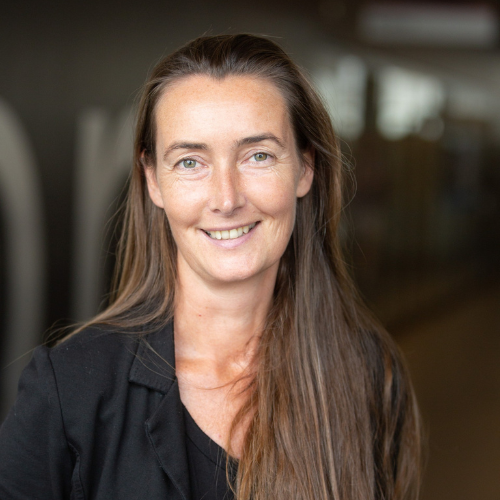
Danielle Posthuma, Ph.D.
Prof. dr. Danielle Posthuma is a statistical geneticist and head of the Department Complex Trait Genetics at the Vrije Universiteit (VU) Amsterdam and Amsterdam University Medical Center, Neuroscience Campus Amsterdam. She is a member of the Royal Dutch Academy of Sciences and the Royal Holland Society of Sciences and Humanities. Her work focuses on developing novel methods that aid in detecting genes for brain diseases, interpreting these findings in biological context and generating mechanistic hypotheses that can be tested in functional experiments. She has recently led several large scale genome-wide association studies for Alzheimer’s Disease, intelligence, insomnia and neuroticism, and is the lead author on innovative tools such as MAGMA (for gene-set analyses), FUMA (for postGWAS annotation) and FLAMES (for gene prioritization).